In the End
I’ve never been one for emotions. They messy, unpredictable things, and I thrive on logic and consistency. But sleep is a dangerous game for me, stripping away that illusion. Dreams mingle with reality, a cruel dance of memory and the ‘what ifs’. Last night (Feb 23rd) was no different. My father’s ghost materialized in my sleep, as imposing and unyielding as in life. His voice, demanding I call my mother, cut through the darkness with a jarring familiarity. The usual anger twisted strangely with a desperate ache for a connection I never had. I woke with an echo of that command, a poison that lingered even as the first rays of dawn broke.
February 24th arrived with an unwelcome jolt – my phone buzzing, an intrusion on the fragile morning. Even through the screen, my sister’s message crackled with urgency. “Text me. Then text Mom.” No greeting, none of her usual warmth. My sister, the peacemaker, wouldn’t break routine unless…unless. Her words echoed the nightmare, tightened the knot of fear in my stomach. Grief, I realized, had already seeped into my waking world. As I fumbled for the phone, I knew. With a bone-deep certainty, I knew my life was about to split into a ‘before’ and ‘after’. That’s why I’m writing now, trying to make sense of it all, to wrestle the tangle of emotions into words so maybe, just maybe, I can find some kind of peace.
The Last Embrace
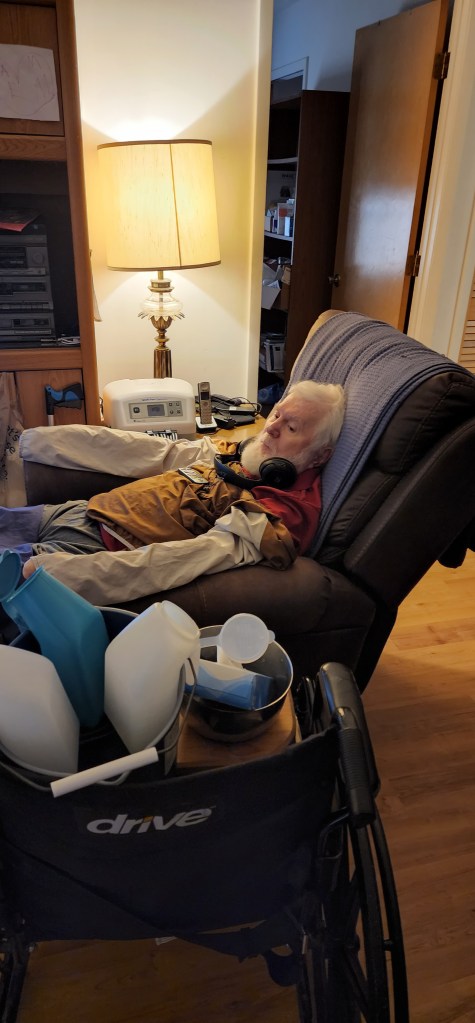
The question echoes in my mind like a haunting refrain, “When was the last time you hugged your father?” I know the answer with unsettling clarity: August 10, 2022. It’s a date that stands out, not because the hug was particularly warm or the occasion memorable for any joyous reason, but because it was the last. The finality of that embrace, the unyielding grip that seemed to want to mend years of distance in a single moment, marks the beginning of my journey through a labyrinth of unresolved emotions and unspoken words.
Outwardly, my father commanded a great deal of respect. He was a pillar of the community, deeply involved in his church, and enjoyed a long, successful career as a Calibration Technician at NASA. His technical expertise earned him considerable esteem, even without education. People admired his dedication, his work ethic, and his unwavering faith. To the world, he was a model citizen. His dedication to the Boy Scouts, mentoring countless young men to become Eagle Scouts, further solidified his reputation. To the world, he was a model citizen, even a “Fox” among the Woodbadged, and eventually a Silver Bever.
Don’t misunderstand; I don’t really believe my father was some monstrous psychopathic narcissist. His interactions with others always ignited a flicker of hope within me – maybe this time, things would be different. Maybe the kindness and warmth he showed the world would finally extend to his own son. But sadly, that shift never came. I’m not sure my siblings fully understood the impact he had on me. My brother seemed equally dispossessed by our father’s behavior (even though, as the youngest, he enjoyed certain privileges), while my sister somehow managed to maintain a semblance of a normal relationship with him over the years.
Within the confines of our home, a different man emerged. His success cast a stark contrast to his tumultuous inner world. Growing up, my father was a towering figure, both in stature and in the shadows he cast over my childhood. His presence was as pervasive as it was distant—a paradox that defined much of our relationship. His anger was quick and fierce, a tempest that could be unleashed at any moment, leaving a trail of tension in its wake. He was a man of strict principles, governed by an unwavering belief in discipline, frugality, and an inflexible adherence to being right. Even as his physical health waned in his later years, his scowl remained as fixed as ever, especially when directed at me. Conversations about me were held with others, but never directly with me. The words “I’m proud of you” remained conspicuously absent from our interactions.
I remember a particular bike ride in the mid-1980s, an ordeal that took us across the rugged terrain of upstate New York, from the military base where we lived through an unforgiving landscape of hills and highways. It was a test of endurance, of will, and, in hindsight, a metaphor for our relationship—always struggling to keep up, to avoid the looming shadows of his disapproval. He shared a story during that ride, a rare glimpse into his own childhood devoid of affection, capped with a forced declaration of love. It was meant as a bridge, perhaps, but felt like a chasm.
My endeavors to forge my own path, like joining the Boy Scouts in Florida, were met with his intrusive oversight rather than support. His involvement was not that of a proud father but a vigilant overseer, ensuring I never strayed from the path he deemed correct. This overbearing presence extended to every facet of my life, from the absurd nightly affirmations of respect to his disdainful scowls in every photo, even at my wedding. Later, a desperate attempt to escape into the military was derailed by a training injury during my senior year of NROTC at Virginia Tech, yet this setback did little to change his behavior. Even distance couldn’t quell his disapproval after I moved to Japan. He’d express anger, resentment, and mock the culture with racist undertones, constantly nagging me to communicate, paradoxically pushing me further away. This made it impossible to foster a relationship between him and his grandson, a deep source of regret and sorrow. I had hoped for a different outcome, for healing, but his refusal to seek help, to address his deep-seated issues, left a chasm too wide to bridge.
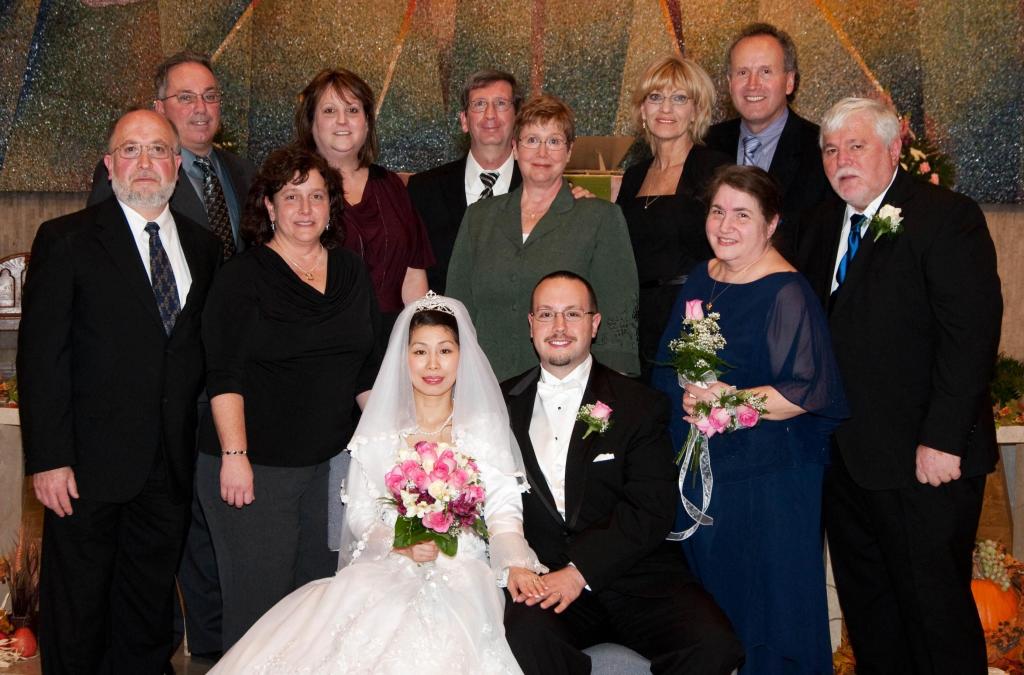
His views on life, punctuated by a latent, yet unspoken hatred and unwavering political beliefs, amplified by a constant stream of Fox News, fueling his political rants, further alienated us. If it wasn’t for his deteriorating health, I imagine he’d have traveled to DC on January 6th in support of the “true president”. Despite the gulf, I always looked for ways to connect. Knowing he’d always dreamed of visiting Alaska, I thought sharing my work trip there would be a chance for him to live vicariously through my stories and photographs. Yet, my return was met not with shared enthusiasm, but resentment. The souvenirs I’d carefully chosen were dismissed, and there was a mocking hurt in his accusation that I hadn’t done more to “help him go with me” (his poor attempt at humor I guess). This left me deflated; even in a gesture meant to connect, I’d somehow fallen short. And yet, despite the vast emotional distance, there were moments when I desperately sought his approval, his acceptance, and perhaps, his understanding.
The familial dynamic was complex, marked by contention and strained relations not just with me but extended to my wife and son. His behavior made it increasingly difficult to foster a relationship between him and his grandson, a source of deep regret and sorrow for me. I had hoped for a different outcome, for a mending of fences and healing of old wounds, but it was not to be. His refusal to seek help, to address the deep-seated issues that fueled his anger and resentment, left a chasm too wide to bridge.
As I sit here, reflecting on the last times—the last hug, the last Christmas, the last family gathering—I am engulfed by a maelstrom of emotions. There’s a numbness, a sense of relief mingled with profound sadness for the relationship we never had. I grieve for my son, who will never know his grandfather in the way I had hoped, and for myself, mourning the loss of what could have been. In the wake of his passing, I am left to navigate the complex terrain of grief and loss, holding onto the faint hope that, in reflecting on these last times, I might find a way to reconcile with the past and move forward.
A Bridge Unbuilt
As I navigated the complexities of adulthood, the shadow of my father loomed large, a constant reminder of the fractured relationship I yearned to mend. With each passing year, the distance between us seemed to grow, not just in miles but in the emotional chasm that had formed over decades of misunderstandings and missed opportunities. Yet, despite the tumultuous nature of our bond, there remained a flicker of hope that reconciliation might one day be within reach.
The years brought change, not only to myself but to my father as well. His health began to decline, the invincibility of his youth replaced by the vulnerabilities of age. It was during this time that I sought to bridge the gap, to find common ground where we might reconnect. I remembered the gnome he’d take on travels, a quirky symbol of the adventures he’d embarked on—adventures we never shared. I thought perhaps, in these later years, we could create new memories, ones not marred by the strife of the past.
I reached out, tentatively at first, with small gestures and invitations. I proposed visits, suggested outings that might appeal to his interests, and offered olive branches in the form of shared experiences with my son, his grandson. But these attempts were often met with resistance, a stubborn adherence to the ways of old that made it difficult to break through the walls he had built around himself. The few times we did manage to come together were fraught with tension. His barely-veiled hostility and contempt towards my Japanese wife became a chasm I couldn’t bridge. This created a war within me – the profound need to protect my wife and son conflicted with the desperate hope for reconciliation, for some chance he would change. Her justifiable resentment towards him further complicated my attempts; she saw the toll it took on me and wanted nothing to do with him.
One such attempt was the last Christmas we spent together in 2014. I hoped the holiday spirit might soften our strained relationship, bring some semblance of warmth. Instead, the gathering exploded into a whirlwind of chaos and accusation. It started with my two-year-old niece tripping and giggling amidst the Christmas lights. My brother-in-law, in a fit of rage, accused my wife of attacking and violently throwing her to the ground. My father joined the frenzy, their combined anger a storm that shook me to my core. This wasn’t just a misunderstanding; it was a chilling display of the dysfunction that ran deep within my family. In that moment, the need to protect my own family became crystal clear – we needed to separate ourselves even further from this destructive dynamic. It was a stark reminder of the challenges we faced in attempting to rebuild our bond.
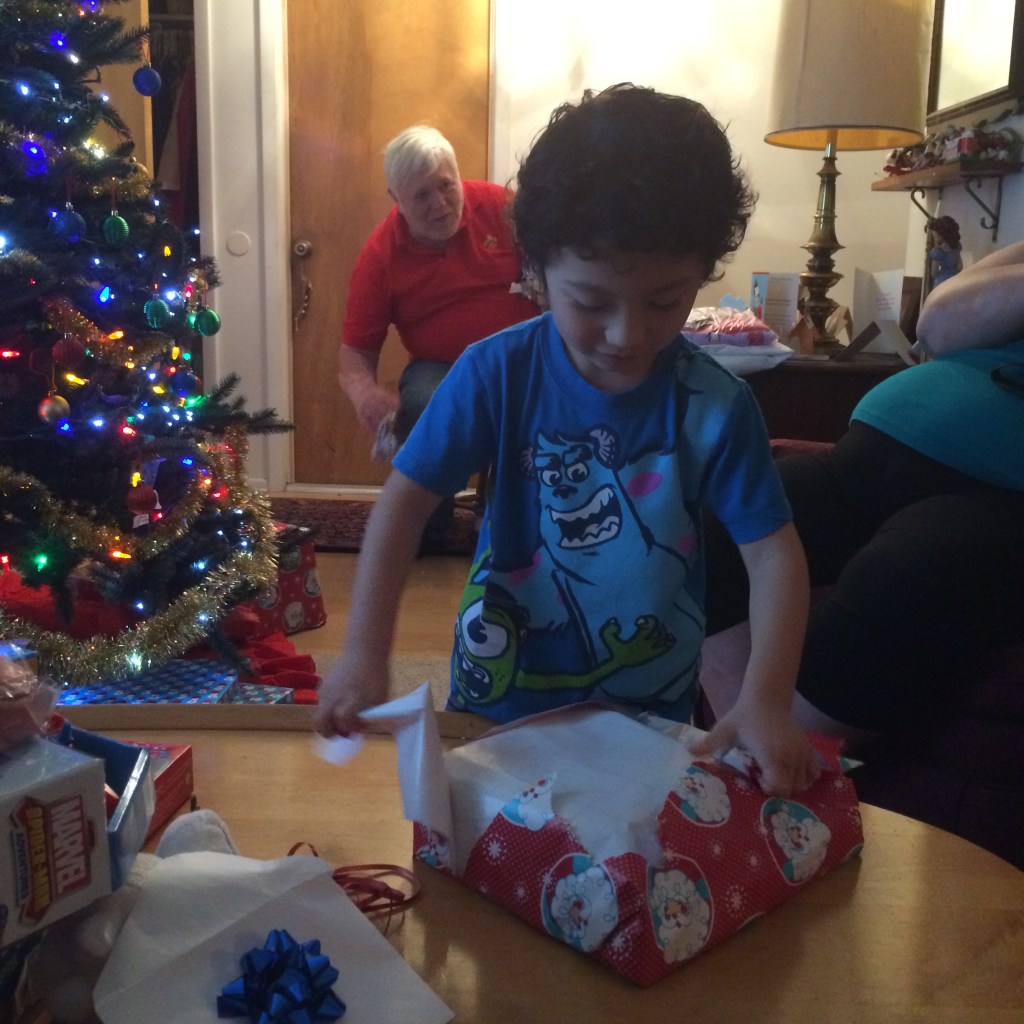
Despite these setbacks, I persisted, driven by a deep desire for my son to know his grandfather, even if fleetingly. I longed for him to experience the kind of familial connections I had cherished with my own grandparents. Yet, as my mother faced a terrifying health crisis, a mass in her brain, my focus shifted. Fear of losing her consumed me, and in a desperate attempt, I convinced my wife to allow a visit so my son could see his grandparents, possibly for the last time. Thankfully, my mother survived, but the event left its mark. Even in the face of potential tragedy, my father’s focus remained on perceived grievances, angrily asking why we were keeping his grandson from him. With each attempt at reconnection, it became increasingly clear that the path forward was laden with obstacles, the weight of the past too heavy to easily lift.
Our communication dwindled to the occasional text or call, a tense dance around the pain that lay between us. Certain topics were unspoken yet ever-present. Even then, he’d find ways to twist the knife, relentlessly guilt-tripping me for not reaching out enough to both him and my mother. Calling me a terrible son, even accusing me of elder abuse by keeping his grandchild away, he weaponized my mother’s emotional distress. These accusations were a constant undercurrent, a form of gaslighting that continued until his very last text message. Our strained conversations became a superficial charade, masking the deep hurt beneath. To further his campaign, he even enlisted other relatives, who would send me unsettling emails urging me to reconnect with my mother.
And then, there were the moments of silence, stretches of time where no words were exchanged, where the distance felt insurmountable. It was during these times that I questioned whether the effort was worth it, whether the possibility of reconciliation was just a fool’s hope. But even in my darkest moments of doubt, I couldn’t shake the desire for a different outcome, for a chance to break the cycle of estrangement and build something new.
As my father’s health continued to decline, I found myself reflecting on the nature of our relationship, on the missed opportunities and unspoken words that had piled up over the years. His presence began to haunt even my dreams; vivid nightmares set against familiar family events, where attempts to solve past issues always devolved into his familiar rage. Even sleep offered no escape from this lack of reconciliation. I realized that my attempts at reconnection weren’t simply about earning his approval or fixing a broken bond; they were about finding peace, both for him and myself. It was a journey fraught with challenges, but one I felt compelled to take, even amidst the constant uncertainty.
In this quest for reconciliation, I learned that healing isn’t always about fixing what is broken, but about understanding, acceptance, and grappling with the complexities of human relationships. I clung to the hope that, eventually, we might connect as the individuals we had become, not the figures bound by the past. Yet, as my father’s death became inevitable, a profound sense of remorse washed over me – realization of the lost opportunities, the change that would never occur. His declining health had given me time to mentally prepare, but the emotional impact is a swirling mix I struggle to comprehend. Relief? Sadness? Anger? Perhaps, all of them combined.
The Weight of What Might Have Been

In the quiet hours of early morning on February 24, 2024, the world as I knew it shifted imperceptibly yet irrevocably. The news of my father’s passing, though not entirely unexpected, struck me with a force I hadn’t anticipated. It was a moment suspended in time, a culmination of years of strained silence and unresolved tensions. As the initial shock gave way to a complex tapestry of emotions, I found myself grappling with the paradox of grieving a man who had been both a constant presence and a profound absence in my life.
The hours following his death were a blur, a procession of messages and conversations that seemed to unfold at a remove from my own sense of reality. Amid the condolences and shared reminiscences, I sought solace in solitude, turning inward to navigate the labyrinth of my grief. It was a grief compounded not just by the loss of my father, but by the mourning of what our relationship could have been. Each memory, each “last” that I recounted, served as a marker of the distance that had defined us.
The last hug, a moment that now seemed both precious and painful, encapsulated the complexity of our bond. It was a gesture laden with the weight of unspoken apologies and unfulfilled desires for connection. As I reflected on that final embrace, I realized it was not just the absence of my father that I mourned, but the absence of his approval, his understanding, and perhaps most poignantly, his unconditional love.
In the quiet aftermath, revisiting our shared milestones became a bittersweet exercise. The last family Christmas, with its forced cheer, contentious gatherings, even those fleeting, brighter moments – they all shimmered with a bittersweet glow. Each memory, a thread in the tangled tapestry of our relationship, was stained by the ever-present resentment aimed my way. It was like trying to savor a childhood treat, but finding the flavor spoiled when he found me with it and yelled at me for getting fat. I struggled to recall happy times without the shadow of his anger, his disapproval, looming over them. The complexity of these emotions was a knot in my chest I couldn’t untangle.
As I grappled with my grief, I began to see my father in a new light. Born November 23rd, 1947, in rural Ohio, his was a life shaped by hardship. Forced into grueling labor at a young age, working the same steel mills where his own father toiled (and met an untimely end in ’81), he grew strong, but also hardened. His thwarted attempt to escape those mills through the Marines, landing him a begrudging career in the Air Force to avoid the draft, only adds to this picture of a man for whom opportunity was always tethered to obligation. It’s in this context that I now view his anger, his scowls. I saw a man carrying unseen burdens, unspoken sorrows. I pondered the generational legacy of silence and stoicism that had been passed down to him, and then, to me. This realization brought a measure of understanding, if not forgiveness.
The process of grieving my father is, in many ways, a process of redefining my relationship with him. It’s an opportunity to sift through the detritus of the past, to hold onto the moments of tenderness and to let go of the bitterness that has too long poisoned our interactions. I begin to see that my grief is not just for the father I have lost, but for the father I never truly knew. And alongside these swirling emotions, there looms the practical reality – what to do with all his belongings, the collections accumulated over a lifetime. The coming weeks and months won’t just be emotionally hard but filled with these decisions. Perhaps even moving my mother into something smaller, helping her downsize, getting rid of the house that carries so many complex memories… or, maybe we rent it out to help pay for our own homes as a strange sort of legacy.
In the silence of my reflections, I come to understand that the true measure of our relationship isn’t found in the words left unsaid or the approval never given, but in the indelible imprint he has left on my life. My father’s influence, for better or for worse, shapes me in fundamental ways, influencing my choices, my values, and my understanding of what it means to be a parent. His legacy fuels my determination to break this destructive cycle. I will never be my father to my son, never allow rage and anger to poison our bond, that is my vow. But in striving for this, I find myself emotionally frozen, my face a mask of neutrality in even the heaviest moments. How do I even learn to grieve properly? I’m terrified that in rejecting my father’s flaws, I might create new ones. Will I overcompensate, spoiling my son with the things I never had, trying to make up for lost time, for his grandfather?
As I navigate the terrain of my grief, I find myself coming to terms with the duality of my feelings—acknowledging the relief that comes with his passing, while also confronting the profound sadness for the connection we will never achieve. My sorrow isn’t just for his absence, but for the missed moments – the words of encouragement left unsaid, the shared laughter over a silly joke, the trips we never took, the father-son bonding that never occurred. It’s a delicate balance, a negotiation between the past and the present, between anger and acceptance.
In the end, the journey through grief isn’t just about coming to terms with my father’s death, but about reconciling with the complexities of our relationship. It’s a process of healing, of finding peace amidst the pain, and of learning to hold onto the love that has always been there, hidden beneath the layers of misunderstanding and disappointment.
Grief may be fleeting, growing smaller, but I realize that my father’s legacy isn’t defined by the moments of discord or the years of distance, but by the unspoken bonds that endure despite everything. This loss creates a space, an opportunity for change. Perhaps with him gone, a path to healing can open. Maybe I can rebuild a stronger relationship with my mother, help mend the rift between her, my wife, and my son. My son deserves the chance to know his grandmother, to experience those extended family connections as he grows. In the quietude of my reflections, I find a sense of closure, a readiness to move forward. Though my father is gone, the journey of reconciliation, of understanding, and of love, continues.
Grief has given me a twisted clarity. I see my father now not just as the man of angry silences, but a man burdened by his own untold sorrows. The cycle of stoicism I resented was a legacy passed down to him, and then to me. This understanding doesn’t bring forgiveness, but it unlocks something inside myself. Maybe there was more at play than just bipolar disorder, the narcissism, and the borderline tendencies. Maybe there were other unseen struggles, neurodivergence he never sought help for. If so, I pity the prison those created for him, the way it trapped him in a cycle of pain and isolation.Could some of that explain his behavior? As someone who spent a lifetime of struggles, only recently diagnosed with Autism and ADHD myself, dealing with my own traumatic past, I wonder…did he share these same hidden struggles? Unfortunately, his resistance to vulnerability means I’ll never know, never have the chance for those conversations.
This grieving process isn’t solely about his death— it’s about redefining our relationship. There’s a painful sifting through the past, clutching at rare tenderness while releasing the bitterness that soured so much. What I mourn most is not the father I knew, but the man I never could. Grieving means coming to terms with our relationship as it truly was. It’s finding peace, and learning how to hold onto the hidden love that always lurked beneath all the disappointment.
This grieving process isn’t solely about his death— it’s about redefining our relationship and coming to terms with all that might have been. There’s a painful sifting through the past, clutching at those rare moments of tenderness while struggling to release the bitterness that soured so much. The deepest pang of grief isn’t for the father I knew, but the man I never could, the father he might have been. It’s laced with regret – for missed chances, words unspoken, a potential connection we’ll never experience. Grieving means coming to terms with our relationship as it truly was, flawed and complex. It means finding peace, even in the lingering sorrow, and learning how to hold onto the hidden love that always lurked beneath the disappointment.
My father’s passing leaves me unbound, a liberation tinged with the sharp ache of loss. His legacy isn’t the discord that defined our relationship, but the echo of a connection that endured despite everything. Even now, a bittersweet pang stabs through me – I yearn for the bursts of fatherly-love I felt he was never quite able to channel. I’ll miss his wild enthusiasm for dinosaurs and fossils, the flicker of the paleontologist he never got to be. Strangely, I’ll even miss his eagerness to share, those moments when his joy overflowed, even if the timing wasn’t always perfect. It’s this mix of grief and gratitude, this muddled legacy, that paradoxically sets me free. In the quiet spaces his absence leaves, I find a fragile peace. My journey isn’t about fixing what’s broken, but understanding. Of him, of myself. Perhaps others, lost in their own struggles with fractured families, will read this and know they aren’t alone. We grieve. We heal. We find our own tribe, even if it’s not the one we were born into. In that, we forge our own paths forward, steeped in reconciliation, in understanding, and in the unwavering, sometimes messy, endlessly resilient thread of love.
Echoes of a Last Connection
- Last text message: “You need to talk to mom, you’re making her feel bad by not sending her texts.” A final guilt-trip instead of concern.
- Last thing he said to me: “You really should look at how the election was stolen. Next election is going to be a Red Tidal Wave as we take America back.”
- Last hug: August 10, 2022. A lingering grip that held more tension than warmth.
- Last Christmas (with his grandson): December 25, 2014. Tainted by accusations, his joy never focused on my son.
- Last Large Family Gathering: Our wedding (December 9, 2009). Even that day, shadowed by his disapproval.
- Last time saying good night: June 2005. Just a ritual, a hollow echo of what a father’s goodnight should be.
- Last father-son bonding trip (filled with his anger): His mother’s funeral (2001). Even grief became a stage for his rage.
- Last family movie: Star Wars the Phantom Menace (1999). Shared childhood joy replaced with his sour commentary, and how it ruined star wars.
- Last time he initiated a conversation (1997) How joining the Navy was wrong and I should go Air Force like him. Upset I didn’t get an appointment to one of the academies.
- Last time he asked about my day (1996) It was out of obligation, not true interest.
- Last time he cooked my favorite meal (1995) Fried peanut butter and jelly sandwiches. Without a comment about the cost of ingredients.
- Last time watching TV together: Star Trek: TNG finale (1994). A show filled with possibilities, but our bond was already stuck in the past.
- Last family campout: (1993). Laughter lost amidst his tense rules.
- Last birthday he showed genuine excitement over (1992). The dwindling of his effort over the years.
- Last book he shared with me: (1991). Isaac Asimov’s The Foundation Trilogy – yet complaining that the empire should have won out in the end.
- Last trip to the library (1990). Choosing my own books instead of his ‘suggestions’.
- Last time playing in the snow (1989). His complaints about the snow fort and how cold was hurting his Pinto.
- Last family vacation (Disney World): 1988. A magical place, yet his scowls dimmed the wonder – the sharp retort of how expensive everything was ruined it all.
- Last bike ride together: 1987. More focused on my pace, and how he wanted me to know he said “I love you” to me (without the feeling).
- Last science fair (1986) Witnessing my excitement, but his focus on winning, not discovery.
- Last time he was with me in the hospital: 1986
- Last time working on building something together (1985) It was about the final product, not the doing.
- Last bedtime story (1983). Goodnight Moon. The words rushed through, missing the magic.
- Last game of catch: 1984 (helping him practice for a military base softball team). His focus was the win, not our time together.
- Last time we had a pet (1982).
1,2,3 Sleep…
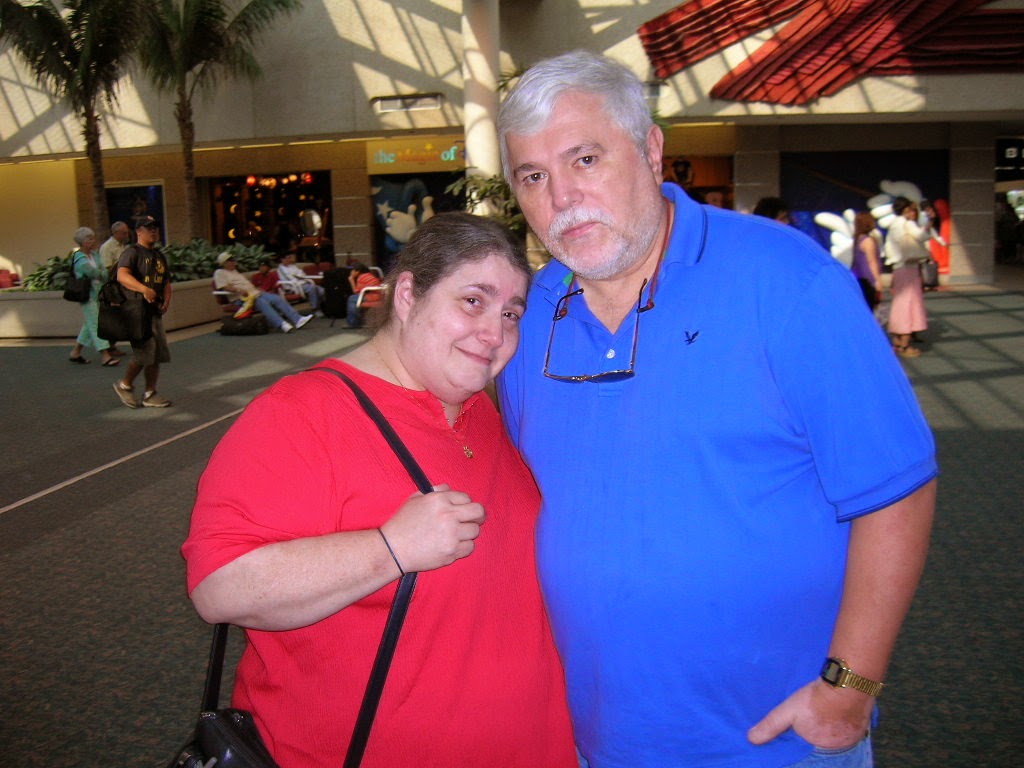
Goodnight, lingering hug, tight with unspoken things.
Goodnight, final text, with its faint and guilt-wrapped sting.
Goodnight, Christmas joy, replaced by bitter words.
Goodnight, gatherings large, where disapproval always stirred.
Goodnight, whispered good nights, hollow echoes of the past.
Goodnight, angry trips, where shared moments never last.
Goodnight, Star Wars dreams, now tinged with commentary.
Goodnight, hushed Trek nights, our bond stuck in the ordinary.
Goodnight, campouts strained, with rules instead of glee.
Goodnight, Disney’s magic, dimmed by scowls I always see.
Goodnight, bike rides rushed, focused on pace, not on the way.
Goodnight, hospital room, worry mixed with things he wouldn’t say.
Goodnight, games of catch focused on wins he craved.
Goodnight, fleeting love, the feeling that slowly waned.
Goodnight, Dad. In memories, echoes, and the “lasts,”
Aching for what should have been, rewriting fractured pasts.
Goodnight, to the potential we never quite could find.
Goodnight, Dad. I love you. BB
ANNOUNCEMENT
Andrew Joseph Salaka JR, resident of Planet Earth, Sector Florida, stardate February 24th, 2024, has officially been beamed up, boldly going where no man has ever returned from before. Born Nov 23, 1947, his early career included a rise through the ranks of Earth’s primitive “Air Force” to Master Sergeant, followed by a stint with NASA as a Calibration Technician. There, he hoped to advance their woefully inadequate warp drive capabilities. Sadly, his efforts were often stymied by budgetary constraints and a stubborn reliance on Newtonian Physics. After funding cuts took their last victim, he pursued stilted attempt to transition to a full-time paleontologist/geologist career that left him particularly hyper-fixated, so he dedicated his remaining time to helping young scouts earn their wings and become Eagles. He leaves behind a surviving crew: wife, Linda Christine (Fornataro), offspring including Stephen A Salaka, Laura M (Salaka) Davis, and Nicholas A Salaka, and several next-generation units (aka grandchildren).
His personality subroutine was…unique. Think a Vulcan with malfunctioning emotional inhibitors, programmed by an odd mix of Fox News and fundamentalist Catholicism. Stoicism was his Prime Directive, disapproval fueled his impulse engines, and guilt-trips were his photon torpedoes. This caused predictable turbulence within his primary alliance (the family).
My own logs show a strange mix of sorrow and the illogical sensation of relief upon his departure. Detailed analysis of these contradictory entries, documented for potential future study, may reveal a previously uncharted anomaly in human familial bonds. Perhaps it’s a sign of a temporal paradox, or the influence of some unknown alien species interfering with our emotional programming. Further research is needed.
A private viewing and funeral services are being arranged, and will be held within the next two weeks for close friends and relatives. A celebration of life is planned for the summer. In a final act of defiance against NASA budget cuts, his remains will be interred at the Cape Canaveral National Cemetery, ensuring he can continue to oversee space launches for eons to come.




 Does God Exist?